Our Mission:
To establish and sustain
To establish and sustain restorative practices and principles across Maine through building resources, advocating for legislation, promoting education, and fostering cooperation among restorative justice practitioners. To uphold the integrity of restorative justice and transformative justice by ensuring that these practices remain held in and by community, and are accessible to all.
Our vision
To be voices
To be voices for healing, truth telling, and accountability, and is committed to building relationships and strengthening communities. MERJ seeks to transform Maine into a Restorative State where alternatives to punishment, carcerality and isolation are widely practiced and accessible. Through collective voices that actively champion healing, truth-telling, and accountability, we are passionately committed to building relationships and strengthening communities.
How we do it:
As a collective
As a collective of RJ practitioners, we work to actualize MERJ’s Vision through practice, education, advocacy, and systems change.
We strive to do this work with cultural awareness, meaning our practices are inclusive and respectful of the diversity of individuals and communities we serve. This is key to helping us understand power dynamics and other barriers that prevent us from doing this work in its full capacity ensures that
Why we do it:
Healing communities
To heal our communities suffering from intergenerational traumas caused by colonization, genocide, and racial violence which can only be repaired through relationships and connection. The Western systems of discipline and punishment governing Maine are not equipped to heal us, and instead keep community members disconnected. With its collective power, MERJ seeks to help heal these traumas by building restorative alternatives and co-creating spaces of community connection, accountability, and repair.
Land Acknowledgement
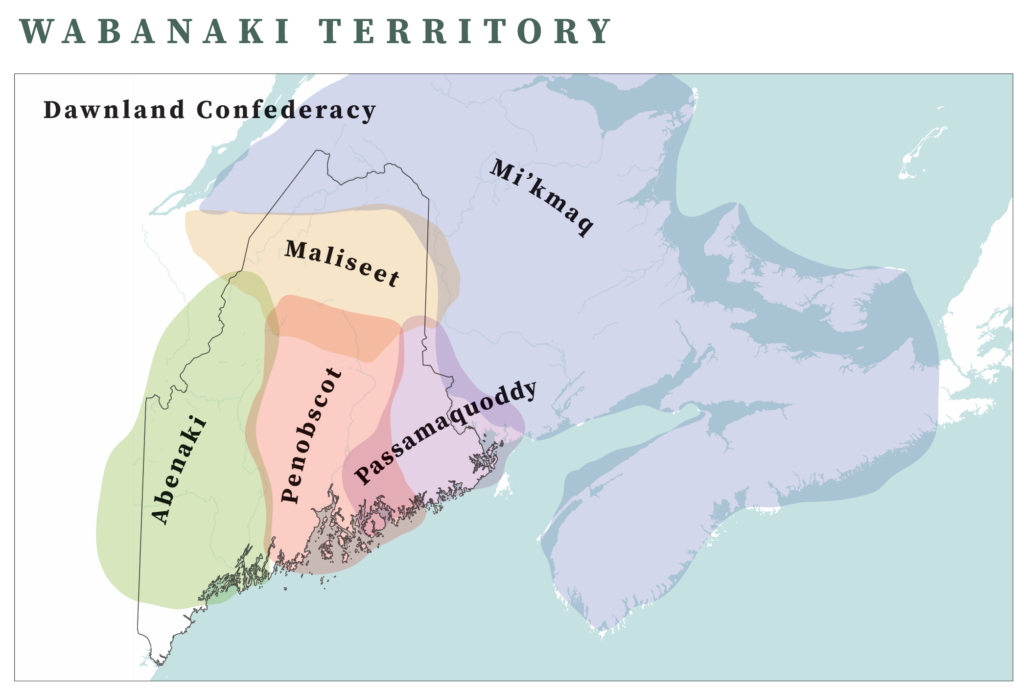
MERJ practices restorative justice in the state of Maine, the unceded homeland of the Wabanaki tribes, known as the Abenaki, Maliseet, Micmac, Passamaquoddy, and Penobscot – the People of the Dawnland. MERJ acknowledges that restorative practices are a way of living and being in community that are derived from Indigenous traditions, globally. As advocates of restorative justice, MERJ recognizes and expresses gratitude to all Indigenous communities, past and present, from which these practices have been adopted. MERJ honors its obligation to uphold the integrity of these traditional practices with fidelity to their spirit and history.
Logo designed by Kage Johnson