Community Education: What Is Transformative/Restorative Justice?
Restorative Practices and Restorative Justice
RESTORATIVE PRACTICES
originate from Indigenous world-views and have been central in a variety of Indigenous communities around the world from the beginning of time. These practices are diverse, yet are rooted in common values like: honesty, openness, charity, acceptance, forgiveness, patience, and listening. Recognizing that everything—our communities, environments, families, and systems—are inextricably interconnected, restorative practices emphasize how we depend on each other for survival. If relationships are essential to our existence, restorative practices provide ways to maintain and honor these relationships by building communal spaces of planning, celebration, mourning, and repairing harm.
One key restorative practice is circles. Being in a circle together is a practice that has appeared in communities around the world and is used in so many ways, including celebrating, communicating, and healing. Read more about the circles in North America at Living Justice Press.
Restorative practices can be used in any context where humans are in community, such as schools, workplaces, recovery residences, or carceral settings, and have so many applications. They can be used to resolve conflict, like in a healing circle or conference, or they can be used to share stories, like around a campfire. Regardless of context, the goal is to build relationships, repair harm, and support and strengthen communities.
Restorative Justice
specifically applies restorative practices in response to harm. Instead of focusing on rule or law violations and punishment after harm is done, RJ holds those who have caused harm accountable through reflection and collaborative agreements that address the needs of those harmed, those who caused harm, and the broader community. RJ processes enable affected individuals to agree on actionable, measurable steps to repair harm and reduce the likelihood of something similar happening again.
The U.S. justice system, which includes police, courts, and prisons, have been shaped by punitive western ways of holding people responsible. These actors focus on the rules that were violated instead of the needs of those harmed, ultimately failing victims, creating more harm by removing people from their communities (both physically and through stigmatization), and disproportionately hurting people of color.
In contrast, RJ requires that we listen to everyone who has been impacted and focuses on healing. We ask not only “what happened,” but also what are the conditions that allowed the harm to occur. Danielle Sered notes, “No one enters violence for the first time by committing it.” RJ, when done well, is trauma-informed, acknowledging that those who cause harm often have histories of being harmed and require healing as part of accountability.
Unlike the prescribed outcomes of traditional courtrooms, RJ outcomes are co-created by those impacted—those who have caused harm, those who have been harmed, their supporters, and facilitators. Therefore, outcomes of a restorative process are not guaranteed – agreements are likely different if they are designed to meet the needs of each individual.
The application of Restorative justice and practices

Like restorative practices, RJ can be used in any setting where people are in community with each other.
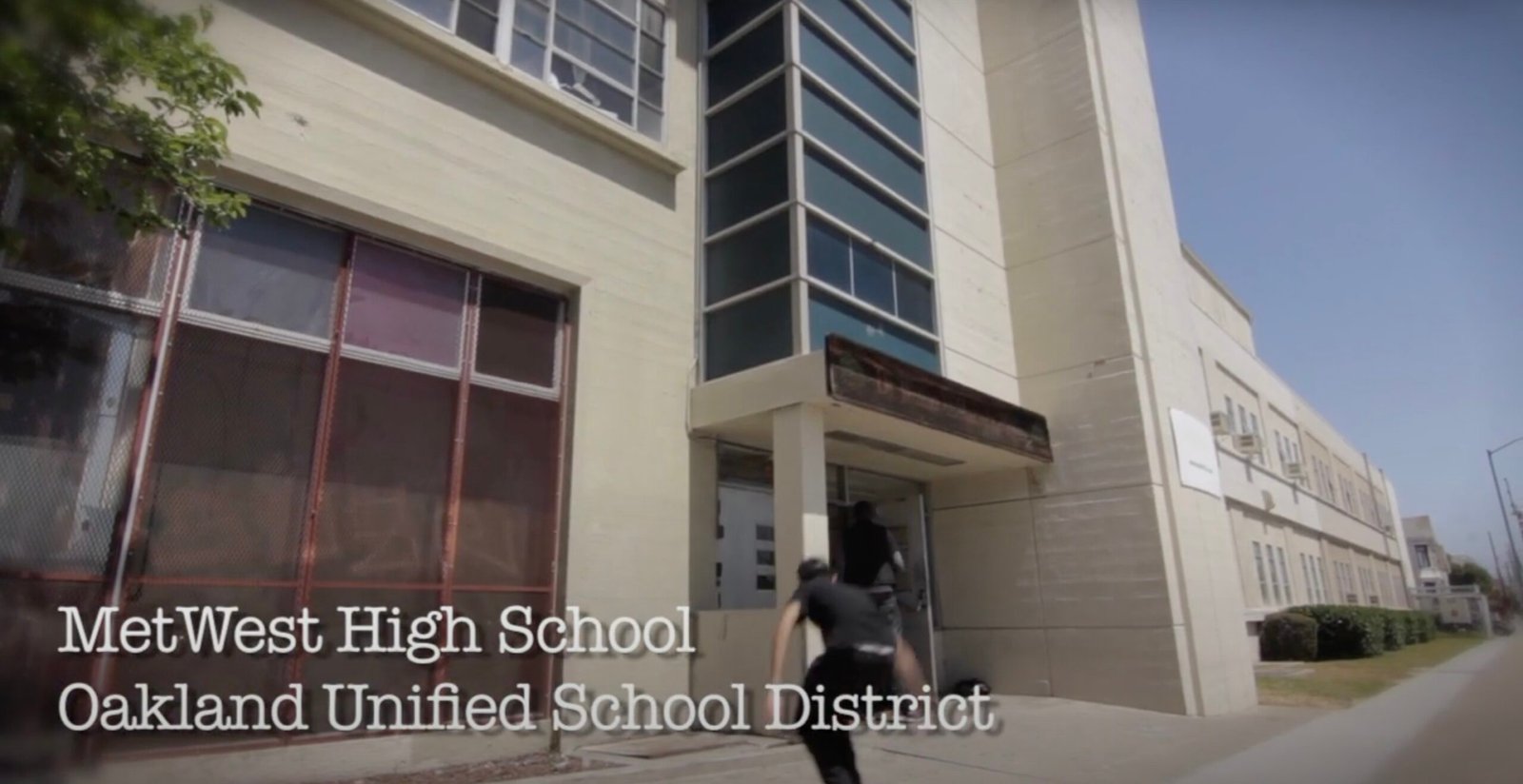
In schools, RJ can disrupt the school-to-prison pipeline by doing away with detentions, suspensions, or expulsions to address fighting, bullying, or disputes between staff and students. Some school districts, like the Oakland Unified School District, have adopted RJ and use it to build the relationships between students and staff with great success.
RJ can also be used when more serious harm has been done. RJ has been used as a way to support those who have survived and those who have caused of all kinds of interpersonal harms like sexual assault, domestic violence, or intimate partner violence. Unlike the U.S. justice system, RJ is radical work which prioritizes the needs of those most affected by harm, often working outside mainstream systems that fail to integrate healing with accountability.
Indigenous listening, peacemaking and healing circles are the origins and foundations of the field of RJ and existed long before the terms restorative practices and restorative justice were coined by white, western academics. These terms may not resonate with everyone, but they differentiate these accountability processes from other punitive, rule-based forms of justice used by institutions like schools and court systems in the U.S.
Transformative Justice
As the RJ field has unfolded and grown popular in western communities, one critique its faced is the limitations of RJ to address the systemic inequities that contribute to harm and which must be considered when “making things right.” Transformative Justice (TJ) builds on RJ’s principles of healing, relationship-building, and harm repair by going further, asking participants to consider what systems must be acknowledged, changed or dismantled for a more just community.
TJ challenges us to not only repair harm when it happens, but to eliminate the conditions under which harm was possible. Often, this means doing healing work outside of the system.
In the article “Transformative Justice: A Brief Description,” Mia Mingus reminds us that many communities have not had safe access to accountability processes provided by mainstream systems and therefore have been practicing TJ long before it was named. Minus writes, “For example, undocumented immigrant women in domestic violence relationships, disabled people who are being abused by their caretakers and attendants, sex workers who experience sexual assault or abuse, or poor children and youth of color who are surviving child sexual abuse have long been devising ways to reduce harm, stay alive and create safety and healing outside of state systems, whether or not these practices have been explicitly named as ‘transformative justice.’”